
It’s a wise idea to work with a physical therapist both before and after surgery. Working with a physical therapist prior to your operation — sometimes referred to as “prehab” — can help you to prepare emotionally and physically for the surgery. And when the operation is done, physical therapy can help to ensure a speedy and full recovery. If you have an upcoming surgery planned, contact Motive Sports PT to learn more about how physical therapy can help you with both preparation and recovery.
Physical Therapy before Surgery
Surgery is a frightening necessity for many people. They need to have the operation to improve their health in some fashion, but the idea of being placed under anesthetic and operated on is still fairly scary. Working with a physical therapist beforehand can help alleviate these fears. In addition, you will have a good plan in place for your recovery after the surgery.
Working with a physical therapist before surgery can help you get ready for adjustments you will have to make in the immediate aftermath. For example, your therapist can get you ready for riding in a car, moving around your home, your eventual return to work and a post-operative exercise plan that won’t harm your recovery. Your therapist can also recommend assistive devices that you may need after surgery, such as a cane or walker.
Part of the prehab work with a physical therapist may involve recommendations for setting up a “recovery zone” in your home. For example, if your bedroom is on the second floor of your home, you might want to set up a bedroom or resting area on the first floor, to avoid having to use the stairs frequently after surgery. Kitchen items that you might need to reach should be placed on lower shelves ahead of time, within easy reach. Physical therapy will be important for your recovery, but so will therapeutic rest. Have an area of your home prepared where you can comfortably sit, rest and relax.
Exercise will also be a part of your physical therapy plan before surgery. Strength training, stretching for flexibility and aerobic exercise to improve oxygen flow will all help you to recover more quickly after your operation. Becoming fairly fit prior to surgery can even prevent the need for inpatient rehabilitation with a physical therapist.
Physical Therapy after Surgery
Your work with a physical therapist can begin soon after your surgery — perhaps on the same day. Depending on the type of operation that you have undergone, your therapist can teach you the proper ways for getting in and out of bed, using mobility assistance devices, getting dressed and using the restroom.
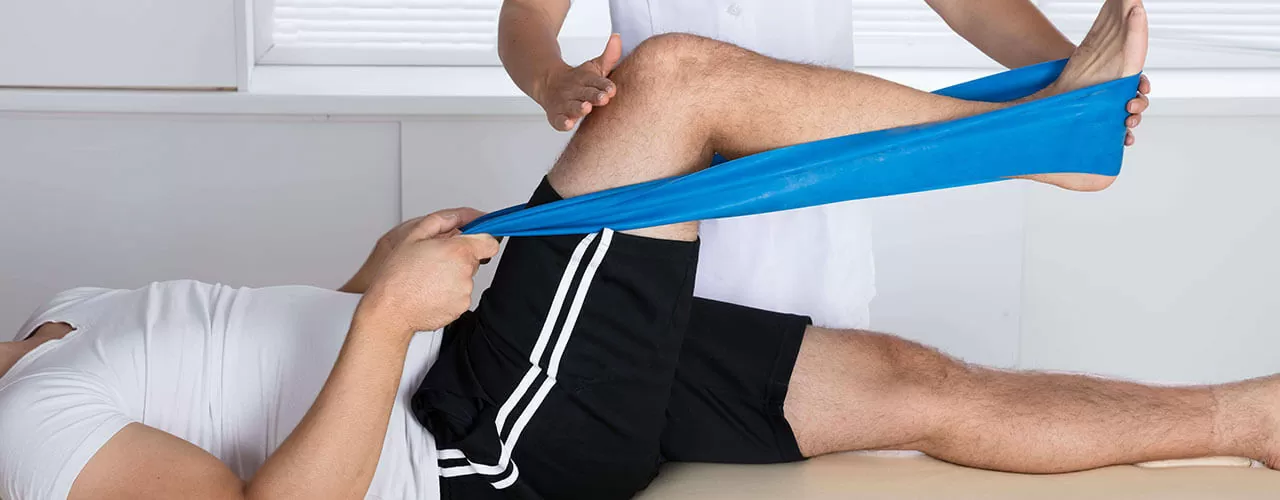
From there, physical therapy will involve helping you with recovery and getting back to a normal life. A physical therapy exercise plan will be tailored toward gradually rebuilding your strength, without the risk of tearing any sutures or reinjuring yourself.
Remember that a physical therapist has many tools and techniques at their disposal, and they are trained specifically in the best methods to help you recover from an injury or surgery. For example, you probably won’t be heading into a gym for heavy weightlifting sessions after surgery, followed by a 10-mile run on a treadmill. You are much more likely to go through water-based training sessions in a pool, to reduce strain on muscles recovering from surgery. You may also learn assisted exercises in which your therapist or a helper at home can aid you in moving your limbs to contract muscles — without straining or reinjuring anything.
If you have a planned surgery coming up and would like to know more about how physical therapy can help with your preparations and recovery, contact Motive Sports PT and schedule an appointment today.