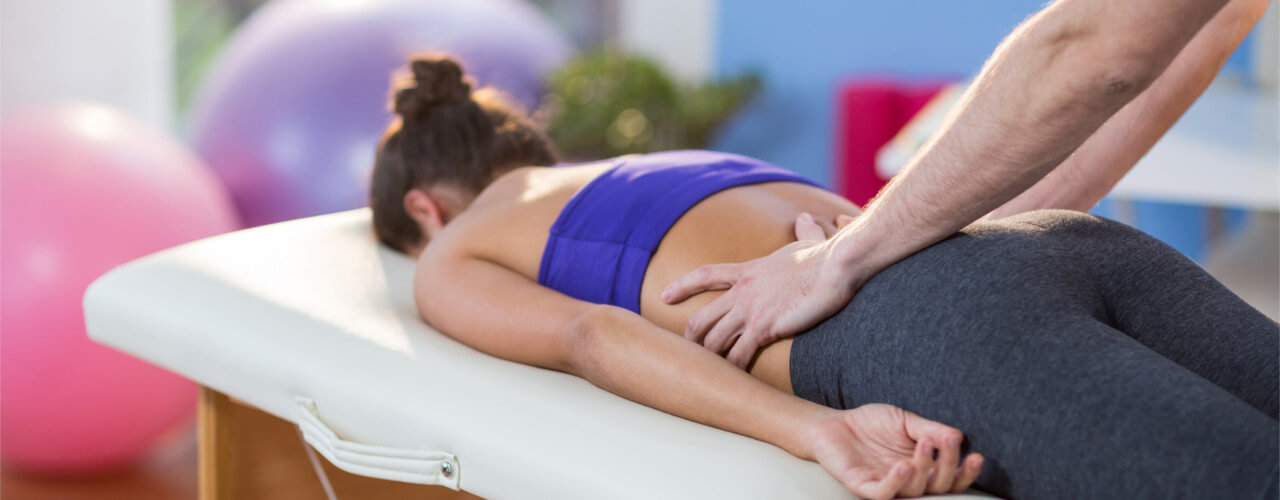
Improve Tissue Elasticity and Joint Mobility
If you are searching for myofascial release in Chadds Ford, Malvern, Media, Berwyn and West Chester, PA, you likely experience a persistent feeling of tightness that stretching alone does not resolve. Myofascial release is a specialized manual therapy technique that targets the fascia: the tough, elastic connective tissue that wraps around every muscle and organ in your body. At Motive Sports & Physical Therapy, our team provides structured, evidence-based care focused on releasing these deep-seated restrictions. Our specialist evaluates your movement and tissue density to design a plan that supports your specific recovery goals.
How Fascial Restrictions Change Daily Movement
Healthy fascia is flexible and glides easily as you move. However, following an injury, surgery, or prolonged postural strain, the fascia can become thick, dry, and stuck. Because the fascial system is interconnected throughout the entire body, a restriction in one area, such as the hip, can pull on tissues in another area, like the lower back. This constant tension can lead to inefficient movement patterns and chronic discomfort.
Patients seeking myofascial release often describe symptoms such as:
- The sensation of wearing a clothes that are two sizes too small
- Chronic stiffness in the neck and shoulders that resists traditional massage
- Persistent aching in the IT band or the arches of the feet
- Restricted breathing or rib cage tightness
- A loss of mobility that makes daily exercise feel like a struggle
Most individuals want to return to a lifestyle where their body feels fluid, light, and responsive during physical activity.
Why Targeted Pressure Supports Better Function
Myofascial release involves applying gentle, sustained pressure into the fascial connective tissue restrictions. Unlike rapid massage strokes, this slow application allows the fascia to elongate and soften. Clinical evidence suggests that addressing these restrictions can improve local circulation and restore the natural sliding environment between muscle layers. Early evaluation allows our specialist to identify where the primary fascial snags are located.
Common contributors to fascial tightness include:
- Surgical scars that create internal tethering
- Chronic inflammatory conditions that thicken connective tissue
- Repetitive postural habits, such as leaning forward at a desk
- Emotional or physical trauma that leads to long-term muscle guarding
- Inadequate hydration affecting the pliability of the fascia
A structured program for myofascial release focuses on restoring the three-dimensional balance of your connective tissue system.
Common Signs of Fascial Dysfunction
Fascial issues often present as diffuse discomfort rather than a single point of pain. Patients frequently report:
- Tenderness that seems to travel along a line or pathway
- A feeling of being bound or restricted during full-body movements
- Skin that feels tight or stuck to the underlying muscle
- Increased discomfort during weather changes or periods of high stress
- Numbness or a heavy sensation in the limbs
Our specialist will assess these signs and explain how manual techniques can help unbind these restrictive layers.
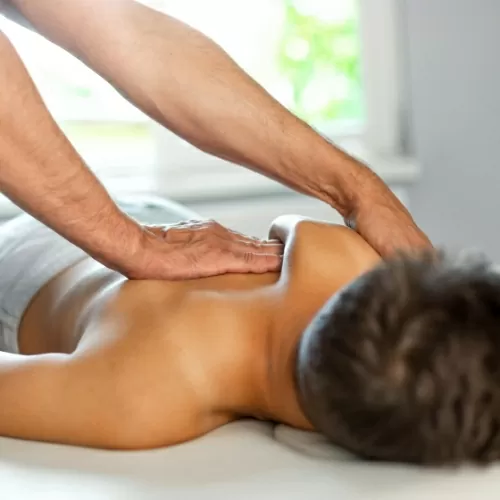
Building a Strategy for Systemic Mobility
Care at Motive Sports & Physical Therapy begins with a comprehensive postural and movement assessment. Our specialist reviews your injury history and feels for areas of heat, thickness, or restricted glide in your skin and muscles. Together, you will identify clear, measurable goals based on the specific activities you want to perform more freely.
Treatment progresses through localized and systemic stages. Early sessions focus on softening the most restrictive layers to provide immediate relief. As your tissues respond, the plan shifts toward integrated movements that reinforce your new-found mobility. A home program of specific stretches and self-myofascial techniques ensures that your progress continues between visits. Our specialist reassesses your mobility regularly and modifies the plan as your body becomes more balanced.
Our team emphasizes:
- Sustained manual pressure to encourage tissue elongation
- Cross-hand stretching to address multi-directional restrictions
- Skin rolling techniques to improve superficial tissue glide
- Collaborative goal setting for your long-term mobility
- Educational tools for maintaining fascial health at home
The Restorative Approach at Motive Sports & Physical Therapy
People who seek myofascial release at Motive Sports & Physical Therapy receive a professional and attentive experience. Our team explains how the fascial system works and ensures that every technique is performed within a therapeutic range that respects your body’s boundaries. We believe that addressing the body’s internal architecture is essential for lasting comfort.
Your First Appointment and Ongoing Care
During your initial visit, our specialist will complete a detailed evaluation of your posture and fascial mobility. You will leave the first session with a clear understanding of your tissue health and a specific roadmap for improvement.
Follow-up visits build on that foundation. Sessions typically involve a combination of manual release followed by active movement to integrate the changes. Visit frequency depends on your specific evaluation and the chronic nature of your restrictions. Our specialist adjusts the program as your body demonstrates improved resilience and ease of movement. This structured process supports steady myofascial release results without unnecessary complexity.
Frequently Asked Questions
How is myofascial release different from a regular massage?
Does myofascial release hurt?
Can myofascial release help with old surgical scars?
Restore Your Natural Movement and Fluidity
Fascial restrictions should not dictate how you move or how you feel. A thoughtful evaluation and progressive plan can help restore your strength and movement quality. Discover a more flexible way to live by contacting Motive Sports & Physical Therapy today. Our team is ready to help you determine the next step that fits your needs.
Your Next Steps…
- Request An Appointment
- Receive A Custom Treatment Plan
- Work Hard and Progress In Your Recovery
- Recover & Enjoy Life Pain-Free