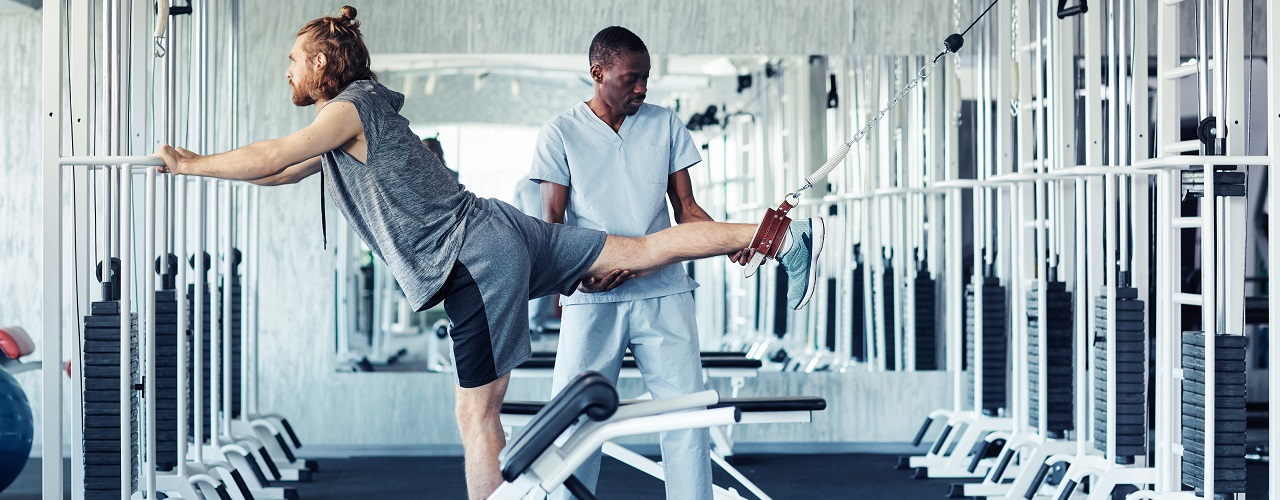

Find Relief for Your Running Injury with the Help of Physical Therapy!
Running is a great way to improve your health and stay in shape. Unfortunately, there are several types of sports injuries associated with running.
The following are some common running injuries and the best ways to treat them.
1. Plantar Fasciitis
Of all the various sports injuries, this is one that not only affects runners but can happen to almost anyone who walks a lot or stands on their feet for extensive periods of time.
With this injury you can feel pain throughout the arch or the heal. This injury can often be treated with rest and a better pair of shoes. Shoe inserts may also help.
Good shoes, proper running form, and adding strength training is often the key to preventing many types of running injuries. Once injuries have occurred you may benefit from adding physical therapy to your routine.
According to a Wellness article in U.S. News, physical therapy may be a better option for treating running related injuries than seeing a chiropractor or opting for surgery.
2. Achilles Tendonitis
This is an injury that occurs in the heel and often results in pain and swelling. Running in old or poor quality shoes can cause this condition.
Icing, elevating the foot to reduce swelling, and wearing shoe inserts are treatment options used to improve Achilles tendonitis. It’s also important to remember that strong calves will help to prevent relapses.
3. Runner’s Knee
Officially named patellofemoral pain syndrome, this condition generally refers to the breakdown of cartilage under the kneecap.
According to Runner’s World approximately 40 percent of injuries sustained by runners are in the knee. While runner’s knee will often improve on its own, sometimes physical therapy is needed to improve the condition.
4. Shin Splints
Nearly every runner has experienced inflammation and pain in the tendons and muscles of the lower leg.
Web MD states that shin splints are more likely to occur after you change your workout routine. Reducing your running, using over-the-counter pain relievers, and icing are all recommended treatments for shin splints.
Physical therapy for running injuries
The overall goal of physical therapy is healing and prevention. In addition to treating the injury, our physical therapists will help strengthen the affected area, in order to prevent additional injury from occurring.
Our physical therapists will also provide you with helpful warm-up and cool-down techniques for running, in order to lower your risk of sustaining another injury.
Our physical therapists will create a treatment plan for you, based on your individual needs. Physical therapy is a natural and holistic approach to healing, including services such as:
- Manual therapy. This may include massage or joint mobilizations.
- Modalities. This may include specialized treatments that your physical therapist has been certified to perform, such as ultrasound or electrical stimulation.
- Therapeutic exercises. This may include any targeted movement to help you find relief, including, but not limited to: area-specific exercises, balance and coordination exercises, muscle performance exercises, range of motion exercises, posture exercises, and relaxation exercises.
Physical therapy has been proven to be successful in treating both acute and chronic injuries, such as ligament sprains, muscle strains, plantar fasciitis, bursitis, tendinitis, and more.
Your physical therapist will teach you about what your body is experiencing and the recovery process it will go through. You and your physical therapist will work together to help you reach your physical goals, allowing you to be engaged and active in your rehabilitation.
Physical therapy offers so much more than current symptom relief – it offers running injury prevention and natural performance enhancement.
If you are an athlete suffering from a running-related injury, don’t waste any more time on the sidelines. Take your recovery to the next level with our physical therapy team. Confirm your appointment with one of our experienced physical therapists today and get started on the right track toward returning to running!
Utilizing proper running mechanics
A recent study published in the National Institutes of Health analyzed the effects of cadence on a runner’s likelihood of sustaining an injury. 45 healthy runners were studied to determine how differences in cadence affected loading on the hip and knee joints.
Results concluded that a quicker cadence “generally leads a runner to hit midfoot compared to runners with longer strides,” which can cause pain or injury. To improve your cadence, try making your strides longer! This will reduce loading on the hips and knees, preventing injury.
In another study published in the National Institutes of Health, several running mechanics were analyzed through video assessments, including base of support. This is an important mechanic to evaluate, as foot placement is one of the most integral parts of running.
It was noted that, as a general rule, “the left and right feet should not overlap in their ground contact location.” There should always be space between foot placement, as a narrow base of support has been known to cause painful conditions, such as tibial stress fractures and iliotibial band syndrome.
Find relief today
Are you living with a running injury? We can help! Contact our physical therapists today to get started on the first steps of your treatment plan – and learn more about how to avoid injuries in the future.